-
bizi arayın +86 15260566922

Yapay zekanın (YZ) sektörleri benzeri görülmemiş bir hızla yeniden şekillendirdiği bir çağda, sanayi sektörü dönüştürücü bir değişimin eşiğinde bulunuyor. Elektriğin bir zamanlar dünyayı nasıl devrimleştirdiğine benzer şekilde, YZ şimdi endüstriyel manzarayı, ürünlerin, fabrikaların, binaların, enerji şebekelerinin ve ulaşımın tamamının akıllı teknolojilerle desteklendiği yeni bir aşamaya doğru yönlendiriyor. Endüstriyel YZ, yalnızca bir özellik olmaktan çıkıp, önümüzdeki yüzyıl için endüstriyel manzarayı yeniden tanımlayacak çok önemli bir güce dönüştü. Bu bağlamda, küresel teknoloji devi Siemens, YZ'yi endüstriyel süreçlere entegre etmede ön saflarda yer alarak, tasarım, mühendislik ve operasyonlar boyunca zekayı sorunsuz bir şekilde yerleştiren yerel YZ yetenekleri sunuyor.
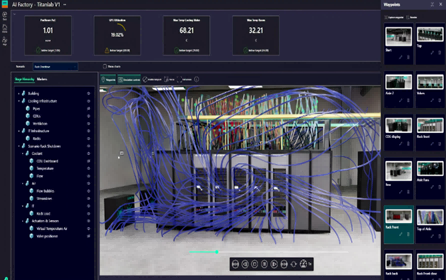
Siemens, 2026 Tüketici Elektroniği Fuarı'nda (CES), endüstriyel yapay zeka devrimine öncülük etme kararlılığını vurgulayan bir dizi önemli duyuru yaptı.
NVIDIA ile Genişletilmiş İş Birliği: Siemens ve NVIDIA, yapay zeka yoluyla endüstriyel değer zincirini yeniden şekillendirmeyi amaçlayan endüstriyel bir yapay zeka işletim sistemi geliştirmek için ortaklıklarını derinleştirdi. İki şirket ayrıca, dünyanın ilk tamamen yapay zeka odaklı, uyarlanabilir üretim üslerini kurmayı planlıyor. NVIDIA, yapay zeka altyapısı, simülasyon kütüphaneleri, modeller, çerçeveler ve şablonlar sağlarken, Siemens yüzlerce endüstriyel yapay zeka uzmanı ve en son donanım ve yazılım teknolojilerini katkıda bulunacak. Ortak çalışmalar, yapay zeka tabanlı elektronik tasarım otomasyonu (EDA), yapay zeka tabanlı simülasyon, yapay zeka odaklı uyarlanabilir üretim ve tedarik zincirleri ve yapay zeka fabrikaları gibi alanlara odaklanacak. Ek olarak, Siemens, NVIDIA NIM ve NVIDIA Nemotron açık kaynaklı yapay zeka modellerini EDA yazılım portföyüne entegre ederek, yarı iletken ve baskılı devre kartı (PCB) tasarımında tasarım doğruluğunu artıracağını ve işletme maliyetlerini düşüreceğini duyurdu.
Siemens, kapsamlı dijital ikiz teknolojisini, NVIDIA Omniverse kütüphaneleri üzerine kurulu simülasyon sistemlerini ve gerçek zamanlı mühendislik verilerini birleştiren bir çözüm olan Dijital İkiz Besteci'yi tanıttı. Bu araç, işletmelerin ürünlerin, süreçlerin veya fabrikaların sanal 3 boyutlu modellerini oluşturmasına, bunları özel 3 boyutlu senaryolara yerleştirmesine ve çeşitli değişkenlerin etkisini tahmin etmek için zaman serisi simülasyonları gerçekleştirmesine olanak tanıyor. Dijital İkiz Besteci'nin 2026 yılının ortalarında Siemens Xcelerator Pazaryeri'nde kullanıma sunulması planlanıyor. PepsiCo, bu teknolojiyi ABD'deki fabrikalarını modernize etmek için zaten uyguladı ve üretim çıktısında %20 artış ve tasarım döngülerinde ve sermaye harcamalarında önemli azalmalar elde etti.
Dokuz Yeni Endüstriyel Yardımcı Yazılımın Tanıtımı: Siemens, tüm endüstriyel değer zincirini kapsayacak şekilde yapay zeka destekli yardımcı yazılım ürün yelpazesini genişletti. Teamcenter, Polarion ve Opcenter gibi yazılım ürünleri için dokuz yeni yardımcı yazılım tanıtıldı; bu yazılımlar ürün verisi alımını geliştiriyor, uyumluluk süreçlerini otomatikleştiriyor ve üretim iş akışlarını optimize ediyor. Siemens'in büyüyen endüstriyel yapay zeka çözümleri portföyüyle birlikte bu yardımcı yazılımlara, Siemens Xcelerator platformu aracılığıyla her ölçekteki işletme erişebilecek.
En Son Teknolojileri Sergileme: Siemens, ilaç keşfini, otonom sürüşü ve fabrika verimliliğini hızlandırmayı amaçlayan çeşitli yeni teknolojileri sergiledi. Yaşam bilimleri sektöründe, Dotmatics'in satın alınması, Siemens'in büyük miktarda bilimsel veriyi yapay zeka çözümlerine entegre etmesine ve ilaç geliştirme sürecini %50'ye kadar hızlandırmasına olanak tanıyor. Enerji alanında, Commonwealth Fusion Systems, ticari nükleer füzyonu geliştirmek için Siemens'in tasarım yazılımını ve veri altyapısını kullanıyor. Üretim alanında ise Siemens, endüstriyel yapay zekayı Meta'nın Ray-Ban yapay zeka gözlüklerine entegre etmek için bir iş birliği duyurdu; bu sayede ön saflardaki çalışanlara eller serbest gerçek zamanlı rehberlik ve güvenlik bilgileri sağlanacak.
Günlük Yaşamda Endüstriyel Yapay Zeka: Siemens ayrıca teknolojilerinin gerçek dünya senaryolarında nasıl uygulandığını da sergiledi. Örneğin, Haddy, sürdürülebilir, yüksek kaliteli ürünleri müşterilerine daha hızlı ve daha yakın bir şekilde sunmak için yapay zeka destekli 3D baskı ve yerelleştirilmiş mikro fabrikalar kullanıyor. Siemens ile iş birliği yaparak Haddy, tasarımlarını optimize etti, operasyonel verimliliğini artırdı ve ölçeklenebilir üretim elde etti.
Siemens'in CES 2026'daki varlığı, yalnızca mevcut başarılarını vurgulamakla kalmadı, aynı zamanda endüstriyel yapay zekanın her yerde yaygın olduğu bir geleceğe de işaret etti. Şirketin "Sürdürülebilir Bir Gelecek İçin İcat Etmek" vizyonu, dijital inovasyon ile gerçek dünya uygulamaları arasındaki boşluğu dolduran çözümlerle tam olarak sergilendi. Siemens, yapay zeka ile mümkün olanın sınırlarını zorlamaya devam ederken, endüstriyel evrimin gelecek yüzyılını şekillendirmede çok önemli bir rol oynamaya hazırlanıyor.
Siemens, stratejik ortaklıkları, yenilikçi ürün lansmanları ve gerçek dünya uygulamaları aracılığıyla, endüstriyel yapay zekanın çeşitli sektörlerde hız, kalite ve verimlilik artışlarını nasıl sağlayabileceğini gösteriyor. Dünya yapay zeka odaklı bir endüstriyel geleceğe doğru ilerlerken, Siemens bu yüzyılda bir görülen teknolojik dönüşümü dünya çapındaki işletmeler için somut sonuçlara dönüştürmeye hazır.
telefon : +86 15260566922
e-posta : sales@3splc.com
Skype : live:.cid.14230d9c302e7f35
adres : 103, No.26, Zhenhai Road, Siming District, Xiamen, China